Category: Self Care

  • Empty Nest Syndrome

    Empty Nest Syndrome

    A woman waving goodbye as her child goes to university

    Empty Nest Syndrome – from their first day at school, to leaving for University

    As the summer comes to an end and the new academic year begins, families go through a lot of change, and this can be challenging.

    Perhaps you have young children who are starting school for the first time and you’re feeling anxious for them. Or maybe you’re wondering what you will do with your days while they are out of the house.

    For those with older children this time of year can be a reminder how quickly time passes. It can be hard to feel our kids starting to pull away or push for independence, and the parent/child relationship can become difficult. Maybe your child is changing school this year and this can cause anxiety for both the child and the parent.

    Then there are those whose young adult children are moving away to university for the first time. This might be the most challenging of all, no matter how you have prepared them for living away from home. You might worry about their finances, their mental and physical wellbeing, but also whether they’ll be homesick, and how much you’ll miss them.

    Maybe your kids have bought their own home, moving in with a partner, and you feel that you’re no longer needed: your job is done, so what happens next?

    For those parents who will now have no children at home, what will this feel like? For some couples it could be exciting to have time to yourselves after all these years of parenting, but for others it might feel daunting to only have each other for company.

    ‘Empty Nest Syndrome’ is a real psychological life transition which can lead to sadness, loneliness and a loss of purpose for some parents. You might find yourself feeling deep sadness, frequently crying, or start to feel some tension in your marriage as you adjust to this new phase of life. You might feel the need to reconnect with your partner, to find new shared interests outside of parenting. Or you could fear what lies ahead for you as a couple going forward.

    You might find it hard to continue with your daily routines, to talk about your feelings, to stop thinking that life is too hard for your child without you. You might even wonder: what am I now, what’s next for me? This can be described as a ‘grieving period’, mourning a stage of life that is now gone, and it is normal.

    Not everyone feels this way, some parents are happy to see their kids evolve and move out. Perhaps you and your partner are looking forward to it being just the two of you again. It’s okay to feel excited about the prospect of having an empty nest after all these years of taking care of your children.

    A woman looking out of a window

    It’s important to not make any major changes to your life or make radical changes at home. Your child will come back for visits, and they need the stability of familiarity as their life also transitions into adulthood. Give yourselves time to get through the first few months. Making rash decisions that might be unsustainable will not be helpful for anyone.

    Allow yourself the time to grieve, take care of yourself and each other. Talk to your partner and to your child, and share your feelings gently, without it feeling like a complaint: you want your child to know that they are still welcome back home.

    It might be time to re-evaluate your life, possibly downsizing your home, taking up new hobbies for yourself or as a couple. Extending your social circle, finding new activities to replace the time you now have.

    If you recognise any of these challenges in your life as the new academic year approaches, counselling can help. Talking to a counsellor can give you space to acknowledge and validate these feelings, rather than feeling pressured to “fix” them straight away.

    If the house feels quiet, if you’re struggling with feelings of sadness, or wondering what life might hold for you going forward, you don’t have to put on a brave face or face it alone. Counselling can help you to work through those feelings and find your own personal narrative for a fulfilling, self-directed future.

    Get in touch using our Enquiry Form and one of our counsellors will be in touch to offer a free consultation.

  • How to start the conversation about Mental Health

    How to start the conversation about Mental Health

    A woman looking out of a window

    Mental Health Awareness: what to look out for and how to talk about it

    Being open about mental health has become less taboo over recent years, but for many it is still a difficult thing to talk about. Nikki Whitehead has provided some guidelines which can help you recognise the signs of declining mental health, and gives tips on how to start the conversation without fear or judgement.

    An image of a woman crying holding a happy mask in front of her face

    If someone you know has been diagnosed with a medical condition, such as a heart condition or cancer, they may feel comfortable sharing the news, but a mental health diagnosis might be kept hidden. For some, they feel embarrassed, or worry that they will be treated differently, for others they might not want to talk about it because it is too overwhelming.

    Spotting when someone you know is struggling can be difficult. People often hide their pain behind humour, putting on a brave face, and only someone who really knows them might notice when something isn’t quite right.

    If you have a family member withdrawing from conversations, a friend who seems overwhelmed, or a colleague whose behaviour has changed, recognising these signs can make all the difference. Understanding what to look for is the first step to offering support to someone who is struggling to cope alone.

    Common signs of mental health decline

    Shifts in mood can be the first sign, especially if the changes are more intense, last for a long time, or happen more often than usual. Perhaps they are often tearful, or increasingly angry or on edge. Have you noticed they seem overly sensitive or are avoiding being with people?

    How someone talks, makes decisions, or responds to situations can change. They might use negative expressions (“I’m useless”, “Nothing will get better”) or say they feel like a burden.

    The most noticeable signs are often in behaviour: are they withdrawing from social situations, avoiding calls, cancelling plans? Have they starting drinking, or using drugs more often? This can be to mask their feelings not just to friends and family, but also to themselves.

    Partners might notice a resistance to intimacy, physically and emotionally, neglecting responsibilities at work or at home. Impulsive behaviour, taking risks, spending more money than usual, other unusual signs such as:

    • insomnia, oversleeping, nightmares
    • appetite changes, weight gain or weight loss
    • low energy, fatigue
    • headaches, stomach issues, aches and pains
    • poor self-care, hygiene and appearance

    Communication can be another clear sign of changes in mental health. Are they quieter and less responsive than usual, do they snap and argue more often, or are they saying worrying things such as “I can’t cope”, or “I’ve had enough”.


    We all might recognise these signs in ourselves or in other people, and on their own they might mean nothing other than a sleepless night or two, or an important approaching deadline at work. However if these signs last for a few weeks, or start to get much worse, or if they start to impact more seriously on work or relationships or especially safety, it may be time to take action.

    How to approach the subject

    If you recognise any of these signs and you’re worried about someone, don’t be afraid to start the conversation. This could start the process of seeking support and beginning to heal. Sometimes just feeling seen can help.

    • Start with simple observations
      “I’ve noticed you’ve seemed down lately and you’ve not been coming out as much – how are you doing?”
    • Ask open questions
      “What’s been feeling hardest recently?”
    • Offer specific support
      “Do you want me to sit with you while you call your GP/doctor?”
    • Keep connection going
      “I’m here for you. Can we check in again tomorrow?” – then follow up the next day.

    For someone struggling with their mental health it can be hard to speak up. By making the first move, checking in, asking how they’re feeling, it could be just what they need to seek the right support.

    If you recognise any of these signs in yourself, or in someone you know, counselling can help. It might be hard to talk to friends and family about the challenges and struggles being faced, so having a counsellor who has been trained to listen and support can help. Get in touch using our Enquiry Form and one of our counsellors will be in touch to offer a free consultation.

  • The Importance of Self Care

    The Importance of Self Care

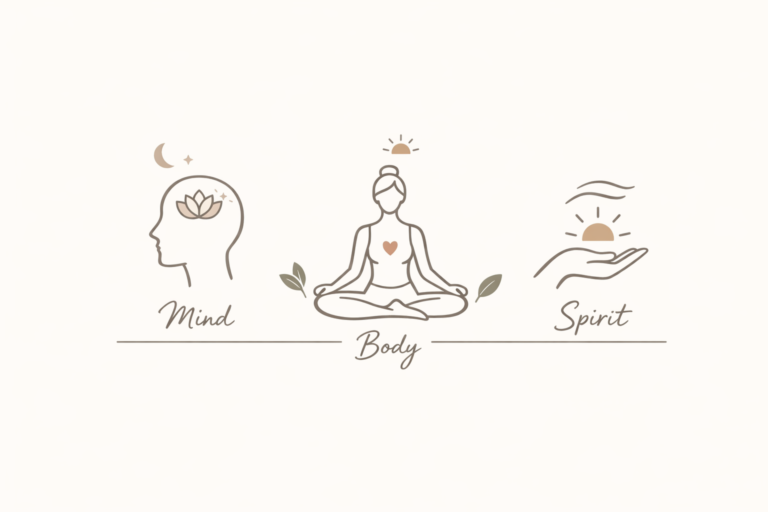
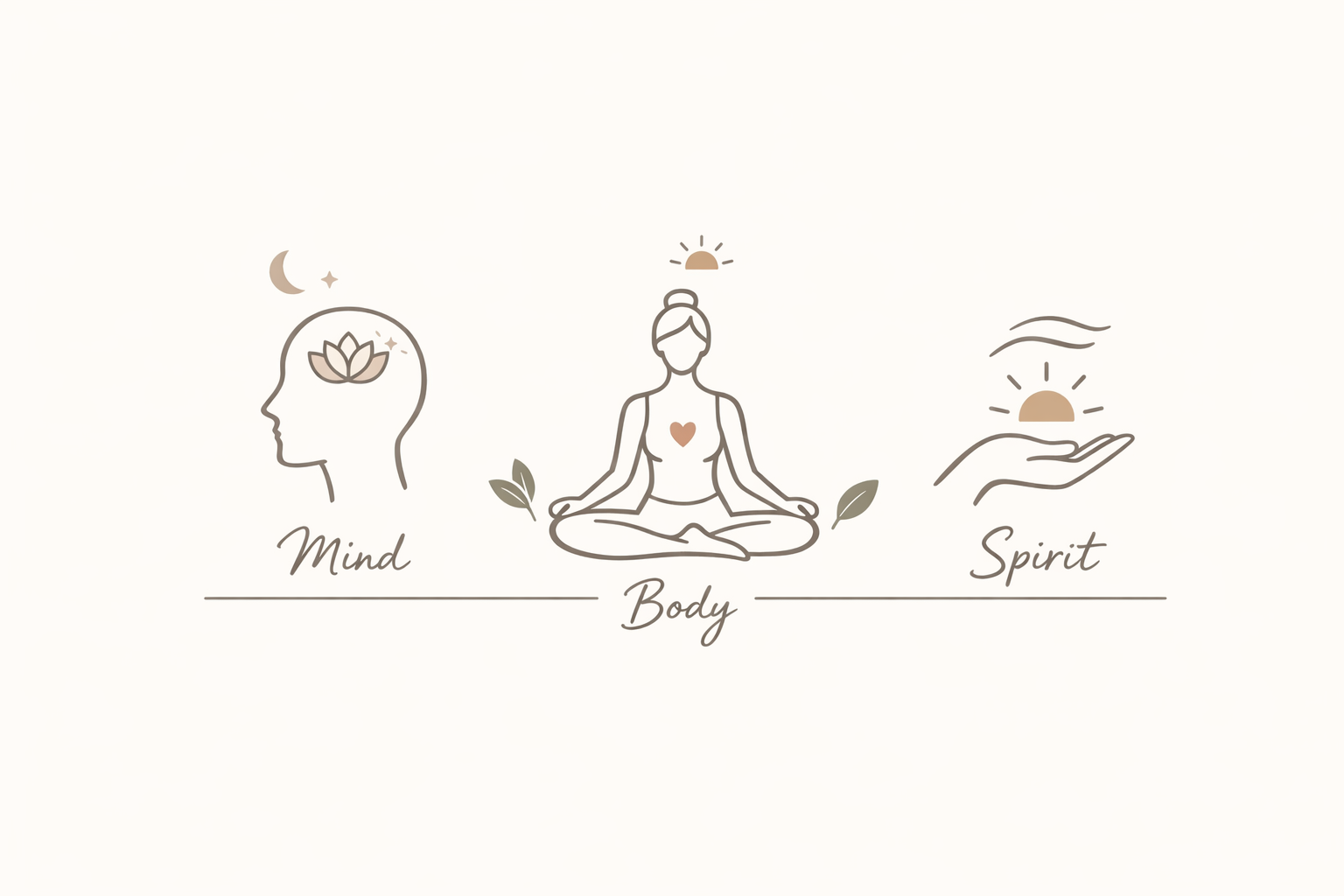
    Images of a brain, a meditating woman and hand holding the sun with the words Mind, Body and Spirit under each

    The Importance of Self Care 

    Taking care of ourselves can sometimes take a back seat, with constant demands on our attention, energy, and emotions writes Nikki Whitehead. 

    We get so busy with work or family commitments, looking after the needs of others, putting our own needs to one side. Eventually though this can take its toll both physically and mentally.

    When someone experiences depression or anxiety, self care is one of the first things they can drop the ball on: isolating themselves, not getting exercise or fresh air, not eating the right foods, even not being able to shower or brush their teeth, and this can lead to further mental health decline causing a cycle that’s difficult to escape from.

    Prioritising self-care can feel uncomfortable, but it is the foundation for a balanced, fulfilling life. From physical health to emotional wellbeing, here’s why it matters and how to embrace it.

    An outline drawing of a man running

    Exercise and Nutrition

    Physical health is one of the first things we think about when it comes to self-care. Regular exercise— walking, yoga, swimming, or going to the gym—boosts energy, and improves mood. It’s about movement that feels good and fits your lifestyle and your personal abilities.

    Nutrition is equally important. Eating a balanced diet is essential for your body and mind. Hydration, mindful eating, and reducing processed foods can make a significant difference in how you feel day to day.

    By following a good exercise and nutrition routine you can allow yourself a day here and there to have a rest day when needed, or have a treat once or twice a week. Depriving yourself of the good things entirely can make it harder to stick your exercise and diet plans.

    Personal Care

    Self-care also includes how we present ourselves to the world. Taking time to care for your hair, choose clothes that reflect your personality, and use makeup (if you enjoy it) can be empowering. It’s not about vanity—it’s about self-expression and confidence.

    Whether it’s a fresh haircut, a favourite outfit, or a bold lipstick, these choices can uplift your mood and help you feel more connected to yourself. When we feel good about how we look, it often translates into how we carry ourselves and interact with others.

    Socialising and Relationships

    As humans we are wired for connection. Spending time with friends, family, or community groups gives us a sense of belonging and emotional support. Meaningful relationships help us navigate life’s ups and downs, offering laughter, empathy, and perspective.

    Socialising doesn’t have to be constant or draining—it can be as simple as a coffee with a friend, a walk with a neighbour, or a heartfelt phone call. Prioritising relationships that nourish rather than deplete us is a powerful act of self-care.

    An image of a woman sitting cross legged meditating

    Mental Health and Wellbeing

    Mental health is just as important as physical health. Stress, anxiety, and unhelpful thinking styles can impact how we see ourselves and the world around us.

    Counselling offers a safe space to explore these patterns, build resilience, and develop healthier coping strategies. 

    Self-care is not selfish—it’s essential. By nurturing your body, expressing your identity, cultivating relationships, and tending to your mental health, you build a life rooted in self-respect and vitality.

    At Trinity Therapy we provide compassionate, non-judgmental support tailored to your unique needs. Whether you’re facing a specific challenge or simply want to understand yourself better, therapy can be a transformative part of your self-care journey. If you’re ready to take the next step, we would be honoured to support you as your counsellor. What area of self-care feels most urgent for you right now?