When work becomes too much: Finding your way back from burnout.
There can be relief from workplace burnout, and counselling is one way that can help you rediscover a healthier balance. When you’re equipped with the right tools and support, you can find calm in a corporate storm, writes Niamh Marriott.
Working in a corporate role can be incredibly professionally satisfying, personally rewarding, and financially freeing, yet sometimes, it can also feel like an enormous pressure constantly weighing you down. The demands can be so high as the volume of tasks keep growing, and somehow your personal energy feels lower than ever. Self-care routines and good sleep management can fall by the wayside, as you prioritise proving your value to a role you worked so hard to attain, and now desperately want to maintain and progress further with.
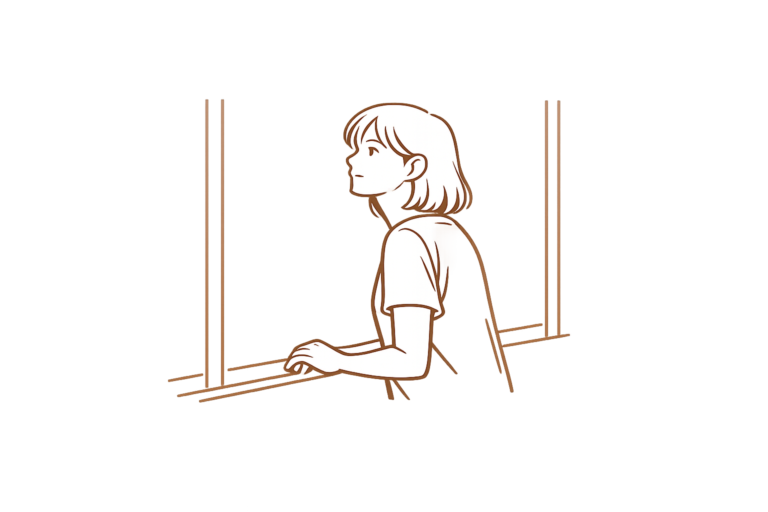
It’s quite easy to not even notice until it all gets a bit too much – and suddenly you feel like you’re running on empty. Whilst everyone else around you seems to be thriving with ease, you’re finding it harder, tougher, and even overwhelming.
If you’re reading this and perhaps nodding along, you’re certainly not alone.
The shocking stats
A recent survey found that 91% of UK employees said they experienced some form of work-related stress.1 Research by Mental Health UK indicates that one in five UK workers (20%) needed to take time off work in the past year due to poor mental health caused by pressure or stress.2
In the UK, the number of employees reporting stress or burnout has almost doubled in a year – from 19% in 2022 to 37% in 2023.3 Globally, over three-quarters of employees believe that workplace stress affects their physical health – with headaches, fatigue, and sleep issues being reported as the main symptoms.4
So, what’s driving this? Are our workloads increasing, is there more of a societal pressure to be constantly available, has the pandemic caused a blurring of boundaries between work and home, or is there a sense that we’re simply expected to cope? Something is going on, and it’s affecting millions of us.
The constant expectation to be ‘on’ all the time creeps in, and this in turn leads to mounting pressure, and a mental health mentality that can start to resemble a survival mode.
Stigma and misconceptions
It is important to remember that burnout isn’t a personal failure in any way. It doesn’t mean you’re weak, or pathetic, or any other harmful word you may have inadvertently called yourself. It means you’re human. You have limits, emotional needs, and a life outside the spreadsheets, meetings and endless email replies. It’s not that easy to prioritise our personal needs over our work commitments. It’s not taught, and it’s something that takes time to learn.
If you’re feeling burned out, I invite you to try a few gentle steps:
- Firstly, acknowledge the exhaustion, the fatigue, the feeling that you can’t keep up, the sense you’re drowning or wading through mud. Sometimes, naming it can be a first step to removing its power.
- Then, have a think about your boundaries. Do you have firm limits when work stops? Do you leave work at work, or do you check in with your inbox after dinner, or take a work call on your day off? When do you make time for yourself?
- Think about telling someone you trust about how you’re feeling. It could be a colleague, a family member, a friend or a counsellor. Sometimes, just saying the words out loud can help transform how you feel about it.
- Finally, and most importantly, please give yourself permission to rest. It’s not lazy or self-indulgent, it’s vital for recovery. You can’t pour from an empty bucket. Try and schedule in some time for you.
Why counselling might be right for you
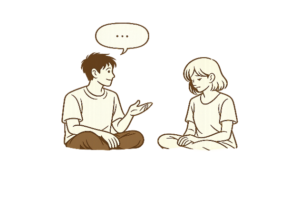
Person centred counselling is an empathic type of therapy where you take centre stage. The sessions are built around you – your experiences, your story, your needs, and at your pace. You’ll be able to speak freely with a counsellor who won’t judge you but is only there to support you as you find a way forward. With counselling you can start to understand what you actually need, where your boundaries belong, and what a sustainable rhythm might look like for you.
It’s not about ‘just coping’ or ‘cracking on’, it’s about really looking after yourself, beyond the basics or the superficial demands. Once you start to do that, you really can reset the balance, and not only show up strong for work, but show up for yourself.
At Trinity Therapy, we’re here to help you do just that – by offering a calm, supportive space where you can slow down, breathe, and start reconnecting with yourself. If this resonates with you, please do get in touch. We’re here to walk alongside you as you find your way back to balance.
REFERENCES
1 https://www.drewberryinsurance.co.uk/news/employee-benefits/majority-of-uk-employees-stressed
2 https://mentalhealth-uk.org/blog/burnout-report-2025-reveals-generational-divide-in-levels-of-stress-and-work-absence/
3 https://www.hrgrapevine.com/content/article/2024-04-25-number-of-uk-workers-suffering-from-burnout-or-stress-doubles-in-a-year
4 https://www.hrstacks.com/workplace-stress-statistics
* Please note – Trinity Therapy are not responsible for content and accuracy of other websites*